
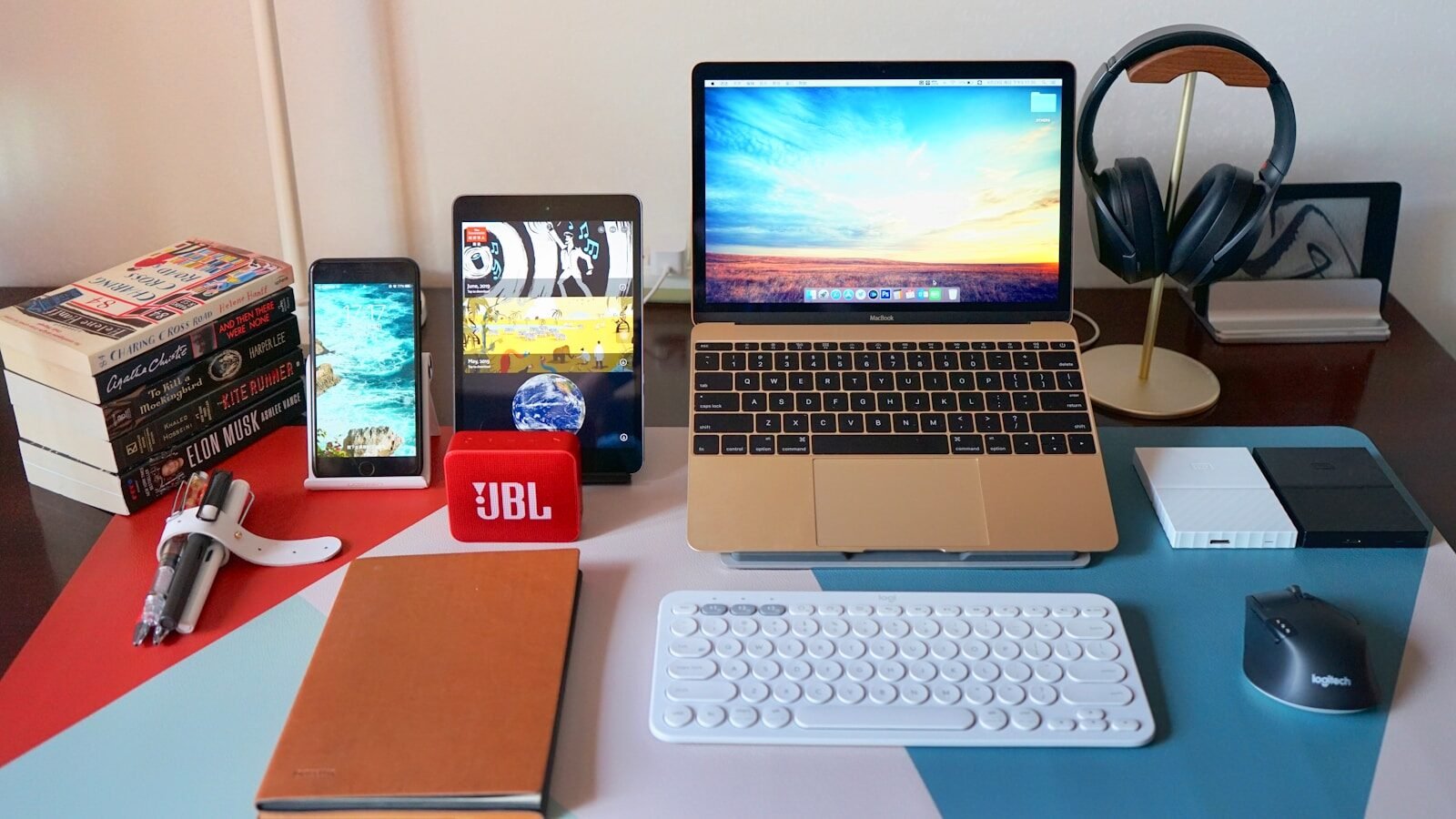
Technology has become an essential part of modern life. From smartphones and computers to the internet, smart appliances, cloud services, and digital platforms, technology influences how people communicate, work, study, shop, travel, and entertain themselves. What once seemed futuristic is now part of everyday routines.
The technology industry continues to develop rapidly, introducing new products and services every year. These developments are not only changing consumer electronics but also transforming businesses, education, transportation, healthcare, and many other areas.
What Is Technology?
Technology refers to the tools, machines, systems, and methods people create to solve problems and make tasks easier or more efficient. It includes everything from simple tools to advanced computers and digital networks.
Modern technology is strongly connected with computing and the internet. Computers can process huge amounts of information, while online services allow people to communicate and access information from almost anywhere.
Technology is not limited to one field. It includes hardware, software, telecommunications, electronics, robotics, cybersecurity, cloud computing, and many other areas.
The Growth of Smartphones
Smartphones have become one of the most important pieces of technology in everyday life. A modern smartphone can perform many tasks that previously required separate devices.
People use smartphones for communication, photography, navigation, banking, shopping, entertainment, education, and work. Mobile applications have expanded their capabilities even further.
Better processors, improved cameras, larger displays, faster networks, and longer-lasting batteries continue to make smartphones more powerful.
As mobile technology develops, smartphones are increasingly becoming personal digital hubs that connect users with numerous online services.
Computers and Laptops
Computers remain essential for education, business, programming, design, communication, and entertainment. Laptops have made computing more portable, allowing users to work and study from different locations.
Modern laptops are becoming thinner and lighter while offering improved performance and battery efficiency. Desktop computers continue to be popular among gamers, professionals, developers, and users who require powerful hardware.
Choosing the right computer depends on individual needs. A student may need a lightweight device for documents and online classes, while a video editor or professional designer may require a more powerful system.
Cloud Computing
Cloud computing has changed how people store and access digital information. Instead of keeping everything on one physical computer, users can store files and use applications through online services.
Cloud technology is especially valuable for businesses because employees can access important information from different locations. It also makes collaboration easier because multiple people can work with shared documents and digital resources.
For individual users, cloud storage can provide convenient backups for photographs, documents, and other important files.
The Importance of Cybersecurity
As more activities move online, cybersecurity has become increasingly important. Personal accounts, financial information, business data, and private communications all need protection.
Users should create strong and unique passwords, enable two-factor authentication where available, and avoid clicking suspicious links. Keeping software and operating systems updated is also important because updates often include security improvements.
Businesses have an even greater responsibility because a security incident can affect customers, employees, and company operations.
Cybersecurity is therefore not only a concern for technology professionals. Every internet user should understand basic digital safety.
Technology in Education
Technology has transformed education by giving students access to information and learning resources from almost anywhere.
Online courses, educational websites, digital libraries, learning applications, and video lessons allow students to study beyond the traditional classroom.
Teachers can also use digital tools to create presentations, organize assignments, communicate with students, and provide educational materials.
However, technology works best when it supports effective teaching rather than replacing meaningful interaction between teachers and students.
Technology in Business
Businesses rely heavily on technology for communication, marketing, accounting, customer service, inventory management, and daily operations.
Digital tools allow companies to organize information, communicate with customers, analyze business performance, and reach audiences around the world.
Small businesses can particularly benefit from affordable online platforms. A small company can build a website, promote products through social media, accept digital payments, and communicate with customers without needing a large physical operation.
Smart Home Technology
Smart home devices are making homes more connected and convenient. Smart lights, speakers, thermostats, cameras, doorbells, and appliances can often be controlled through smartphones or voice commands.
Some systems can automate routine activities. For example, lights can be scheduled to turn on at specific times, while smart thermostats can adjust temperatures according to household preferences.
Connected home technology can provide convenience, but users should pay attention to security. Devices should be protected with strong passwords and updated regularly.
The Rise of Electric Vehicles
Transportation is another area experiencing significant technological change. Electric vehicles are becoming increasingly popular as manufacturers improve battery technology, charging systems, and vehicle performance.
Modern electric cars can provide advanced navigation, digital dashboards, driver assistance features, and connected services.
The development of charging infrastructure is also important for wider adoption. As batteries improve and charging networks expand, electric transportation may become increasingly practical for more consumers.
Technology and Entertainment
The entertainment industry has changed dramatically because of digital technology. Streaming services allow people to watch movies and television programs on demand, while online platforms provide access to music, podcasts, games, and other content.
Gaming technology has also advanced considerably. Modern gaming systems offer powerful graphics, online multiplayer experiences, virtual environments, and digital marketplaces.
Smart televisions and streaming devices have combined traditional television with internet-based entertainment.
Future Trends in Technology
The future of technology is likely to bring continued innovation across many areas. Faster networks, advanced computing, robotics, wearable devices, connected homes, and improved digital services may become increasingly common.
Technology may also become more integrated into everyday objects. Cars, appliances, watches, glasses, and other devices can increasingly communicate with digital platforms.
At the same time, future development will require careful attention to privacy, security, accessibility, environmental impact, and responsible use.
How to Keep Up With Technology
Keeping up with technology does not mean buying every new product. Instead, users should understand which developments are genuinely useful for their needs.
Before purchasing a new device, compare specifications, read reliable reviews, consider long-term software support, and check whether the product offers meaningful improvements over existing equipment.
Learning basic digital skills is equally important. Understanding cybersecurity, cloud storage, online privacy, and device management can help users make better decisions.
Conclusion
Technology continues to reshape modern life, creating new opportunities for communication, education, business, entertainment, and productivity. Smartphones, computers, cloud services, smart homes, electric vehicles, and digital platforms are only some examples of how technology is changing the world.
The most valuable approach is to use technology thoughtfully. Instead of following every trend, users should choose tools that solve real problems and improve their daily lives.
As innovation continues, technology will remain an important part of the future. Staying informed, protecting personal information, and learning new digital skills can help people make the most of the rapidly changing technological world.