
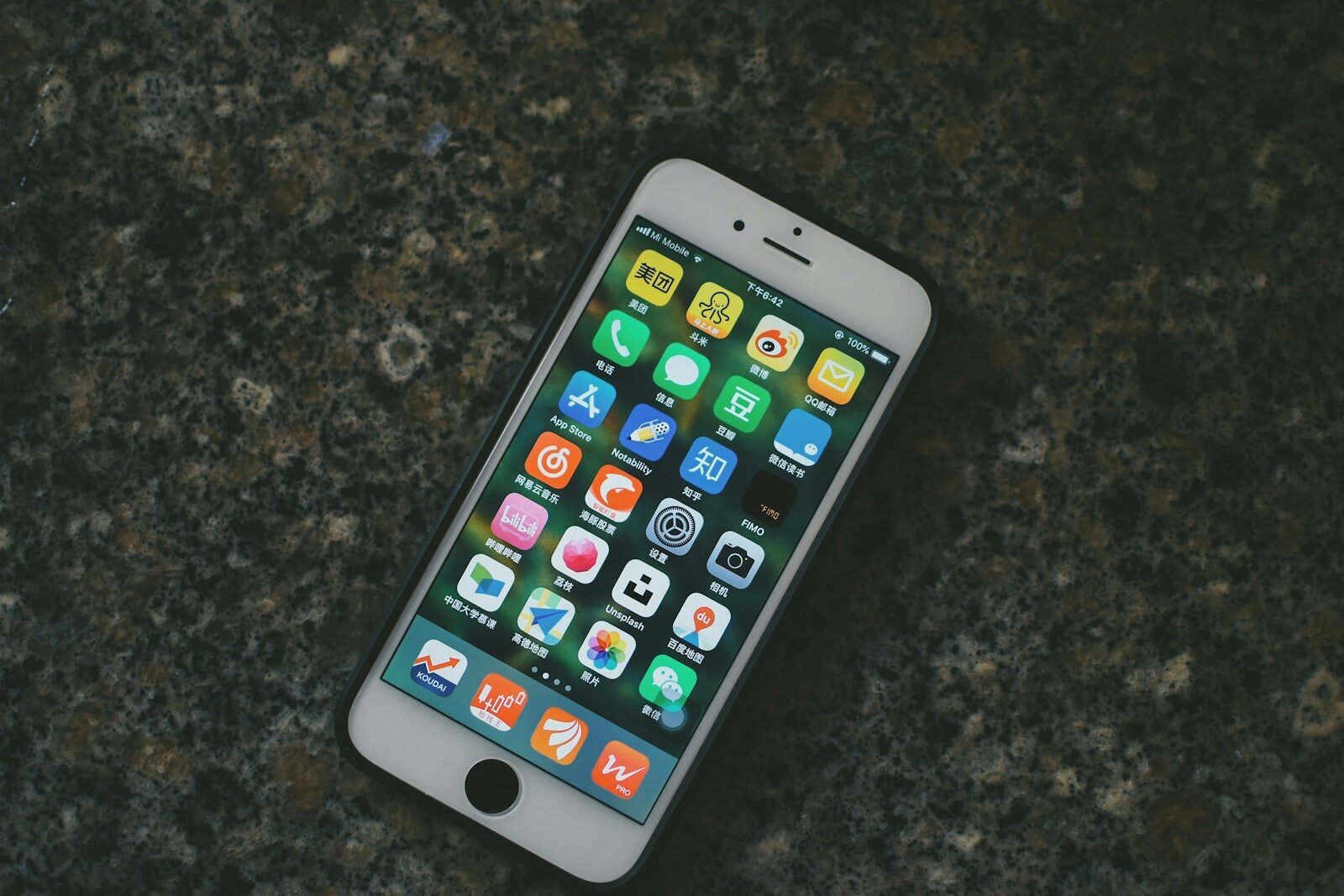
Mobile applications have become an essential part of modern life. From communication and education to entertainment, shopping, banking, fitness, and productivity, apps help people complete everyday tasks quickly and conveniently. With smartphones becoming more powerful and widely available, millions of people now rely on mobile applications to stay connected, manage their work, and access useful services.
An app, short for application, is a software program designed to perform specific tasks on a smartphone, tablet, computer, or other digital device. Some apps are simple and focus on one purpose, while others provide multiple tools and services in one platform. Today, mobile apps are changing the way people interact with technology and making many activities easier than ever before.
How Mobile Apps Have Changed Communication
Communication apps are among the most widely used applications in the world. In the past, people mainly relied on phone calls, text messages, and emails to communicate. Today, mobile apps allow users to send instant messages, make voice and video calls, share photos, and communicate with people across the world within seconds.
These apps have made long-distance communication easier and more affordable. Families and friends can stay connected even when they live in different cities or countries. Businesses can also use communication apps to organize meetings, collaborate with team members, and share important information.
The convenience of instant communication has made mobile apps an important part of both personal and professional life.
Educational Apps and Online Learning
Apps have also transformed the way people learn. Educational applications provide access to courses, tutorials, videos, quizzes, digital books, and other learning resources. Students can use apps to study school subjects, learn new languages, improve professional skills, or explore new topics.
One of the biggest advantages of educational apps is flexibility. Users can learn at their own pace and often choose the time and place that is most convenient for them. A smartphone can become a useful learning tool when educational resources are easily available.
Educational apps can also make learning more interactive. Features such as quizzes, progress tracking, videos, and practice exercises can help users remain engaged and motivated.
Productivity Apps for Work and Daily Tasks
Productivity apps help people organize their time and manage important tasks. These applications may include calendars, note-taking tools, to-do lists, document editors, cloud storage, and project management features.
For students, productivity apps can help organize assignments and study schedules. Professionals can use them to manage projects, communicate with colleagues, and keep track of deadlines.
Many people also use apps to manage their personal lives. Shopping lists, reminders, budget planners, and digital calendars can make everyday responsibilities easier to organize.
The main purpose of productivity apps is to reduce unnecessary effort and help users use their time more effectively.
Entertainment Apps and Digital Content
Entertainment is another major area where apps have made a significant impact. People can use applications to watch videos, listen to music, play games, read books, and discover new content.
Streaming apps have made entertainment more accessible because users can enjoy content on their smartphones and other connected devices. Gaming apps have also become extremely popular, offering everything from simple puzzle games to complex multiplayer experiences.
Reading applications provide access to digital books, magazines, and articles. Music apps allow users to discover songs, create playlists, and listen to audio content almost anywhere.
The variety of entertainment apps means that users can choose content based on their individual interests and preferences.
Shopping and E-Commerce Apps
Shopping apps have changed the way people purchase products and services. Instead of visiting multiple physical stores, users can browse products, compare options, read reviews, and place orders using their mobile devices.
E-commerce apps provide convenience, especially for people with busy schedules. Users can shop from home and access a wide range of products.
Many shopping apps also provide features such as order tracking, saved products, personalized recommendations, and digital payment options. These features can make the shopping experience faster and more convenient.
However, users should always shop carefully online. It is important to use trusted platforms, protect personal information, and review product details before making a purchase.
Banking and Financial Apps
Financial apps have made it easier for people to manage money. Mobile banking applications allow users to check account balances, transfer money, pay bills, and monitor transactions without visiting a bank branch.
Budgeting apps can help users track spending and understand where their money is going. Some apps also allow users to create savings goals and manage regular expenses.
The convenience of financial apps has saved time and made many banking services available at any time of the day. However, security is extremely important when using financial applications. Users should create strong passwords, enable available security features, and avoid accessing sensitive accounts through unsafe networks.
Health and Fitness Apps
Health and fitness apps can help users monitor physical activity and develop healthier routines. Many applications can track steps, workouts, sleep patterns, water intake, and other lifestyle habits.
Fitness apps may provide workout plans, exercise instructions, and progress tracking. Nutrition apps can help users record meals and learn more about food choices.
While these apps can be useful tools, they should not replace professional medical advice. Users with specific health concerns should consult qualified healthcare professionals when necessary.
Navigation and Travel Apps
Navigation apps have made traveling easier by helping users find locations and plan routes. Instead of carrying paper maps, people can use their smartphones to access directions and information about transportation.
Travel apps can also help users search for accommodations, organize travel plans, and manage bookings. These applications are especially useful when visiting unfamiliar locations.
Real-time information can make navigation more convenient, helping users make better decisions about routes and travel schedules.
The Importance of App Security
As mobile apps become more important, digital security should also be a priority. Many apps collect information such as names, email addresses, locations, payment details, and other personal data.
Users should download apps from trusted sources whenever possible. Before installing an app, it can be helpful to review its permissions and understand what information it may access.
Keeping apps updated is also important because updates may include security improvements and bug fixes. Users should avoid sharing passwords and other sensitive information through unknown or suspicious applications.
Developers also have an important responsibility to protect user data and create secure digital experiences.
Choosing the Right Apps
With millions of apps available, choosing the right ones can sometimes be difficult. Before downloading an application, users should consider its purpose, features, privacy practices, and reliability.
Reading user reviews can provide useful information about common problems and overall experiences. Checking the developer and reviewing the permissions requested by an app can also help users make better decisions.
It is also useful to avoid downloading unnecessary applications. Too many apps can use storage space, consume battery power, and create unnecessary distractions.
Choosing a smaller number of useful and reliable apps can create a better smartphone experience.
The Future of Mobile Apps
The future of mobile apps is likely to bring more convenience and new features. Developers continue to improve app design, performance, security, and accessibility.
Apps may become better at connecting different devices and services. Wearable devices, smart home products, and other connected technologies are already expanding the role of applications in everyday life.
At the same time, privacy and security will remain important challenges. As people depend more on apps, users and developers will need to take greater responsibility for protecting personal information.
Conclusion
Mobile apps have transformed the way people communicate, learn, work, shop, travel, manage money, and enjoy entertainment. They provide convenient access to tools and services that were once more difficult or time-consuming to use.
The best apps are designed to solve real problems and make everyday tasks easier. However, users should also choose applications carefully and pay attention to privacy, security, and digital wellbeing.
As technology continues to develop, mobile apps will remain an important part of everyday life. By using useful, reliable, and secure applications, people can take advantage of technology while maintaining greater control over their time, information, and digital experiences.