
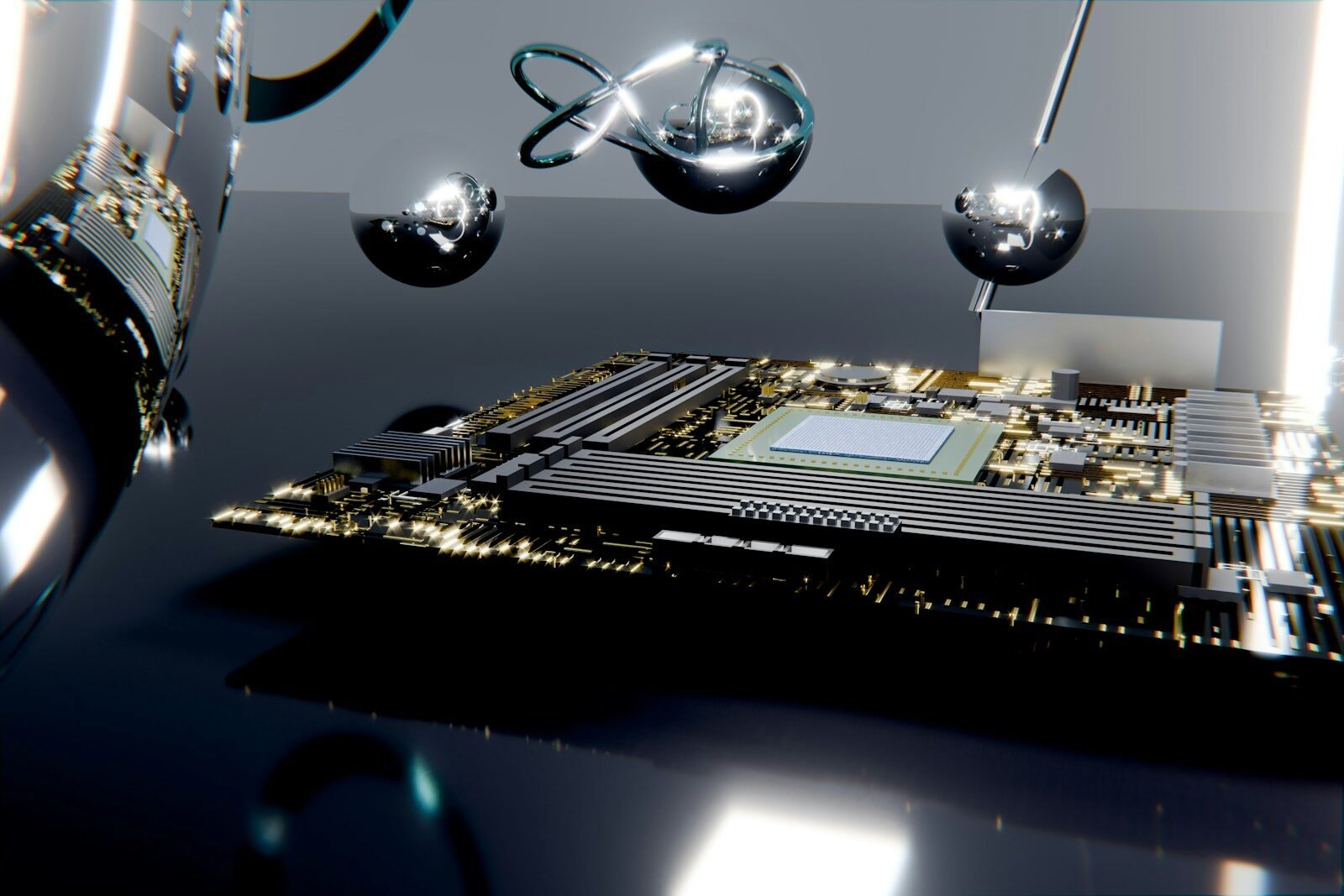
Technology has become an essential part of modern life. From smartphones and computers to smart homes, online services, cloud platforms, and digital communication, technology influences how people work, learn, shop, communicate, and entertain themselves. New technological developments are appearing every year, making everyday tasks faster, easier, and more connected.
The technology industry is constantly changing. Devices are becoming more powerful, software is becoming smarter, and internet services are becoming more accessible. Understanding these developments can help individuals and businesses make better decisions and take advantage of new opportunities.
The Growing Importance of Technology
Technology is no longer limited to computers and large machines. Today, it is present in almost every area of daily life. People use smartphones to communicate, banking applications to manage money, navigation services to travel, and online platforms to study or work.
Businesses also depend heavily on technology. Companies use digital tools for communication, customer service, marketing, accounting, data management, and online sales. Even small businesses can reach customers around the world through websites and social media platforms.
As technology continues to develop, digital skills are becoming increasingly valuable. Knowing how to use modern devices, software, online platforms, and security tools can provide advantages in education, employment, and business.
Smartphones and Mobile Technology
Smartphones are among the most influential technologies of the modern era. A single smartphone can perform many tasks that once required several different devices. Users can make calls, send messages, take photographs, watch videos, access websites, use maps, manage finances, and download applications from one device.
Modern smartphones are also becoming more powerful. Better processors, improved cameras, longer-lasting batteries, faster connectivity, and advanced displays have made smartphones useful for both personal and professional activities.
Mobile technology has also changed how businesses communicate with customers. Companies can provide mobile applications, online shopping services, digital payments, and instant customer support. As mobile internet continues to expand, smartphones will remain an important part of the technology industry.
Cloud Computing and Online Services
Cloud computing has changed the way people store and access information. Instead of keeping everything on one computer or physical storage device, users can store files and data on remote servers and access them through the internet.
Cloud services are useful for individuals, students, businesses, and organizations. They make it easier to collaborate on documents, back up important files, access information from different devices, and share data with others.
For businesses, cloud technology can reduce the need for expensive physical infrastructure. Employees can work with shared files and online applications from different locations. This has also supported the growth of remote and flexible working environments.
Smart Devices and the Internet of Things
Another important technology trend is the Internet of Things, commonly known as IoT. It connects physical devices to the internet so they can collect, exchange, and sometimes respond to information.
Smart watches, smart televisions, security cameras, smart lights, connected appliances, and fitness trackers are examples of connected devices. These products can make homes and workplaces more convenient and efficient.
For example, a smart thermostat can help manage temperature automatically, while smart security systems can allow homeowners to monitor their property remotely. As connected technology improves, more everyday objects are expected to become digitally connected.
Technology in Education
Technology has transformed education by providing students with access to information and learning resources from almost anywhere. Online courses, educational websites, digital libraries, video lessons, and learning applications allow students to study outside traditional classrooms.
Teachers can also use digital tools to create presentations, assignments, quizzes, and interactive learning experiences. Online communication makes it easier for teachers and students to stay connected.
However, technology should support education rather than completely replace traditional learning methods. Students still need critical thinking, communication, creativity, and practical skills. The best educational approach combines technology with effective teaching and human interaction.
Technology in Business
Modern businesses rely on technology to improve productivity and reach customers. Websites and online stores allow companies to sell products and services beyond their local markets.
Digital marketing tools help businesses communicate with potential customers through search engines, social media, email, and online advertising. Business software can also help manage employees, finances, inventory, customer information, and daily operations.
Automation is another growing area. Repetitive tasks can often be handled by software, allowing employees to spend more time on creative and strategic work. For small businesses, affordable digital tools can provide many of the capabilities that were previously available mainly to large organizations.
Cybersecurity and Digital Safety
As technology becomes more important, cybersecurity becomes equally important. People store personal information, financial details, photographs, documents, and other sensitive data online. Without proper protection, this information can be exposed to unauthorized users.
Basic security practices can make a significant difference. Users should create strong and unique passwords, enable two-factor authentication when available, keep software updated, and avoid clicking suspicious links.
Businesses also need strong cybersecurity policies. Employee training, secure systems, regular backups, and careful access management can help reduce digital risks.
Technology users should remember that convenience should never come at the expense of security. Staying informed about common online threats is one of the simplest ways to improve digital safety.
The Future of Technology
The future of technology is likely to bring even greater connectivity and automation. Faster internet networks, advanced computing, robotics, smart devices, and new software solutions may continue changing how people interact with technology.
Another major trend is the development of more personalized digital experiences. Applications and devices are increasingly designed to understand user needs and provide useful recommendations or automated functions.
At the same time, society will need to consider important issues such as privacy, cybersecurity, digital access, employment changes, and responsible technology use. Innovation can create opportunities, but it should also be developed and used thoughtfully.
Conclusion
Technology is continuously changing the way people live and work. Smartphones, cloud computing, connected devices, digital education, online business tools, and cybersecurity are just some of the areas shaping the modern digital world.
Keeping up with technology does not mean buying every new device or using every new service. It means understanding useful developments and choosing tools that genuinely improve productivity, communication, learning, and everyday life.
As technology continues to evolve, digital knowledge will become even more important. People who stay curious, learn new skills, and use technology responsibly will be better prepared for the opportunities and challenges of the future.