
Introduction
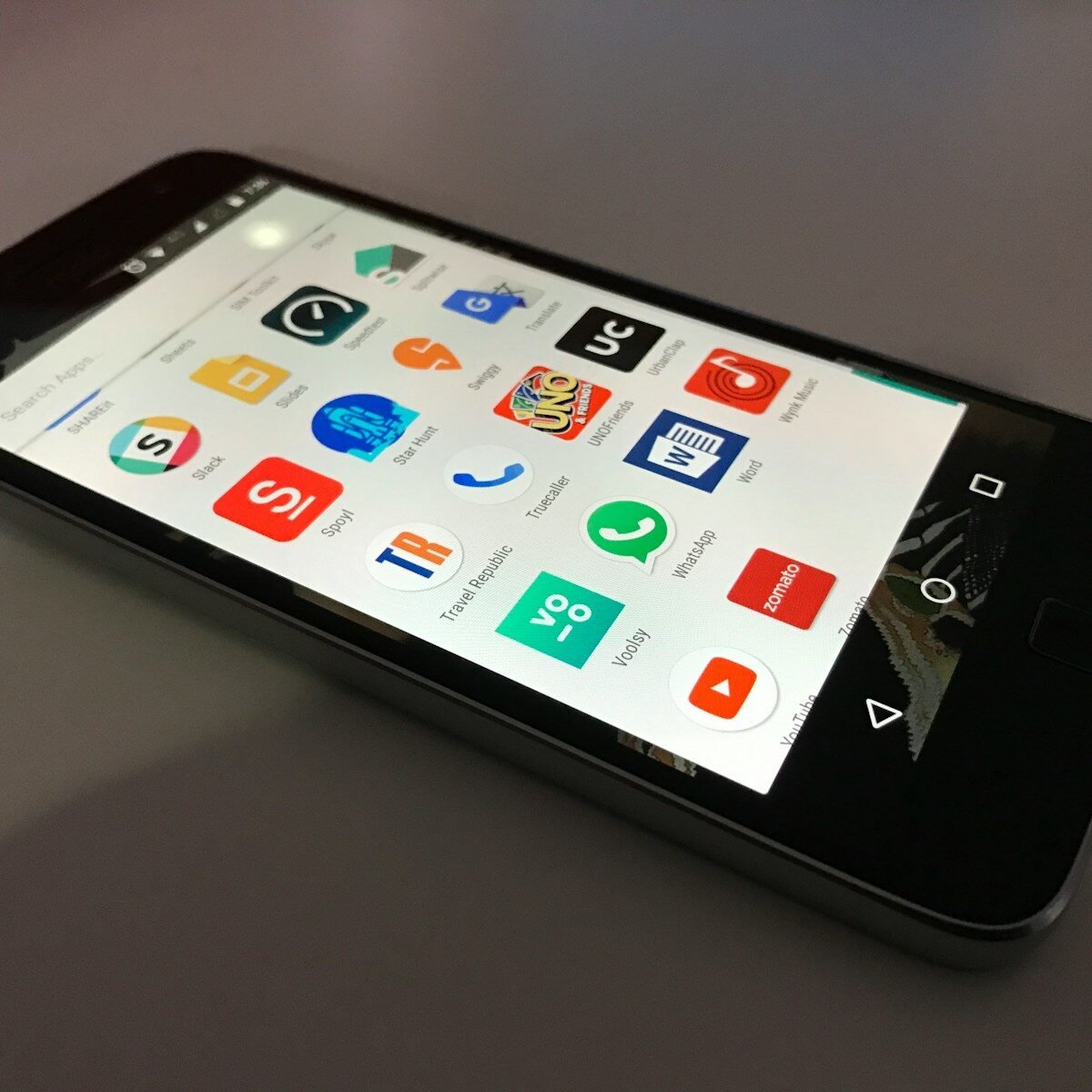
Mobile applications, commonly known as apps, have become an essential part of modern life. Whether you use a smartphone, tablet, or even a smartwatch, apps help people communicate, work, learn, shop, and entertain themselves. From social media platforms to banking services, fitness trackers to educational tools, mobile apps have revolutionized the way we interact with technology. As smartphones continue to evolve, the importance of apps grows every day, making them one of the most influential innovations of the digital age.
This article explores what mobile apps are, their different types, benefits, challenges, and what the future holds for app development.
What Are Mobile Apps?
A mobile app is a software application designed specifically for smartphones, tablets, and other portable devices. Apps are downloaded from official marketplaces such as the Google Play Store for Android devices and the Apple App Store for iOS devices.
Unlike traditional desktop software, mobile apps are optimized for touchscreens, smaller displays, and portable use. They offer users quick access to services and information anytime and anywhere.
Types of Mobile Apps
There are many different categories of mobile apps, each serving a unique purpose.
Social Media Apps
Social networking apps connect people across the world. Users can share photos, videos, messages, and updates with friends and family. Popular examples include Facebook, Instagram, TikTok, and Snapchat.
Productivity Apps
These apps help users organize their daily tasks and improve efficiency. Calendar apps, note-taking tools, document editors, and project management software fall into this category.
Entertainment Apps
Entertainment apps provide streaming services, music, games, movies, and television shows. They offer endless hours of fun and relaxation for users of all ages.
Educational Apps
Learning has become easier with educational apps. Students can access online courses, language lessons, practice quizzes, and digital textbooks directly from their smartphones.
Health and Fitness Apps
Fitness applications track workouts, monitor heart rate, count calories, and provide personalized exercise plans. Many also offer meditation and mental wellness programs.
Finance Apps
Banking, budgeting, investing, and online payments have become much simpler through finance apps. Users can transfer money, pay bills, and monitor expenses securely.
Shopping Apps
E-commerce apps allow customers to browse products, compare prices, read reviews, and purchase items from anywhere without visiting physical stores.
Benefits of Mobile Apps
Mobile apps provide countless advantages for both individuals and businesses.
Convenience
Apps make daily tasks easier by allowing users to complete activities with just a few taps. Whether ordering food, booking a ride, or checking the weather, everything is available instantly.
Better Communication
Messaging and video calling apps help people stay connected regardless of distance. Families, friends, and businesses can communicate in real time.
Improved Productivity
Task management, reminders, cloud storage, and collaboration apps help users complete work more efficiently and stay organized.
Personalized Experience
Most apps learn user preferences over time. They recommend products, content, music, videos, and services based on individual interests.
Business Growth
Businesses use apps to reach customers directly, improve customer service, increase sales, and strengthen brand loyalty through notifications and exclusive offers.
How Mobile Apps Are Changing Industries
Mobile apps have transformed almost every industry across the globe.
Healthcare
Doctors now offer virtual consultations through telemedicine apps. Patients can schedule appointments, receive prescriptions, and monitor health conditions remotely.
Education
Schools and universities use educational apps for online classes, assignments, digital exams, and interactive learning experiences.
Banking
Mobile banking apps have reduced the need for physical bank visits. Customers can manage accounts, transfer funds, and pay bills securely.
Transportation
Ride-sharing, navigation, and public transport apps make traveling easier and more efficient. GPS technology helps users find the fastest routes.
Retail
Retail businesses use shopping apps to provide personalized recommendations, digital payments, order tracking, and customer support.
Features of a Successful Mobile App
Not every app becomes successful. The most popular apps usually share several important features.
- User-friendly interface
- Fast loading speed
- Attractive design
- Regular updates
- Strong security measures
- Offline functionality where possible
- Reliable customer support
- Easy navigation
These features improve user satisfaction and encourage long-term engagement.
Challenges in Mobile App Development
Although app development offers many opportunities, developers face several challenges.
Security Risks
Protecting user information is one of the biggest responsibilities for developers. Apps must safeguard personal and financial data against cyber threats.
Device Compatibility
There are thousands of different smartphone models with varying screen sizes and operating systems. Developers must ensure apps work smoothly across multiple devices.
Competition
Millions of apps are available in app stores. Standing out requires innovation, excellent user experience, and effective marketing strategies.
Regular Maintenance
Technology changes rapidly. Developers must continuously fix bugs, improve performance, and introduce new features to meet user expectations.
The Role of Artificial Intelligence in Mobile Apps
Artificial Intelligence (AI) is making mobile apps smarter than ever before.
AI-powered apps can:
- Provide personalized recommendations
- Recognize speech and voice commands
- Translate languages instantly
- Improve photo editing
- Detect spam messages
- Offer intelligent chatbots for customer support
As AI technology continues to advance, mobile apps will become even more intelligent and helpful.
Future Trends in Mobile Apps
The future of mobile applications looks exciting. Several technologies are shaping the next generation of apps.
Augmented Reality (AR)
AR apps combine digital content with the real world. They are increasingly used in gaming, shopping, education, and interior design.
Virtual Reality (VR)
VR applications create immersive digital experiences for entertainment, education, training, and healthcare.
5G Technology
Faster internet speeds will improve app performance, video streaming, cloud gaming, and real-time communication.
Internet of Things (IoT)
Apps are becoming central controllers for smart homes, wearable devices, security systems, and connected appliances.
Cloud Computing
Cloud-based apps allow users to access files, photos, and services from multiple devices without relying on local storage.
Tips for Choosing the Right App
Before downloading an app, users should consider several factors.
- Read user reviews and ratings.
- Download only from trusted app stores.
- Check requested permissions carefully.
- Keep apps updated for better security.
- Avoid apps with suspicious or unnecessary access requests.
- Use strong passwords and enable two-factor authentication when available.
These practices help maintain privacy and improve the overall user experience.
Conclusion
Mobile apps have transformed how people live, work, communicate, and entertain themselves. They provide instant access to information, simplify everyday tasks, and connect people across the world. From education and healthcare to banking and shopping, apps continue to reshape industries and improve convenience.
As technologies like Artificial Intelligence, 5G, Augmented Reality, and the Internet of Things continue to evolve, mobile applications will become even more powerful and intelligent. Businesses, developers, and users alike can look forward to a future where apps play an even greater role in daily life. Understanding mobile apps and embracing their potential is essential for anyone who wants to stay connected in today’s fast-moving digital world.