
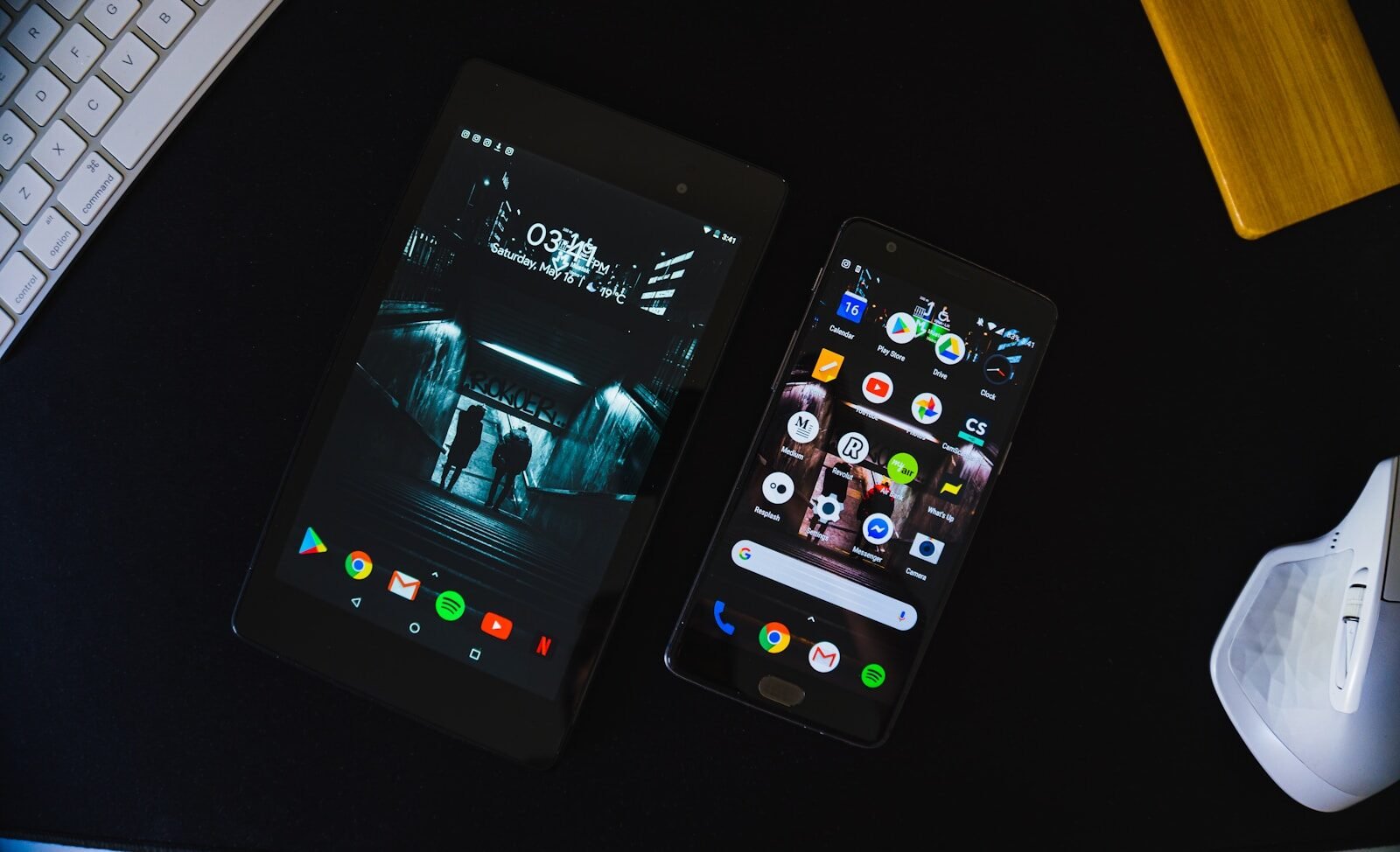
Mobile applications, commonly known as apps, have become an essential part of modern life. From communication and education to entertainment, shopping, business, health, finance, and productivity, apps help people complete everyday tasks quickly and conveniently.
Almost everyone with a smartphone has access to thousands of applications. Some apps are designed for simple tasks, while others use advanced technologies such as Artificial Intelligence, cloud computing, and automation to provide powerful features.
For TechHani, the Apps category can help readers discover useful applications, understand new app technologies, and learn how different apps can improve productivity, entertainment, and everyday digital experiences.
What Are Apps?
An app is a software program designed to perform specific functions on a digital device. Apps can run on smartphones, tablets, computers, smart TVs, watches, and other connected devices.
Mobile apps are commonly downloaded through official app stores. Some applications are free, while others require payment, subscriptions, or in-app purchases.
Apps can perform simple tasks such as setting alarms or taking notes, while advanced applications can provide video editing, online banking, artificial intelligence, business management, and many other services.
Types of Mobile Apps
There are many different categories of apps. Understanding these categories can make it easier to find the right applications for your needs.
Productivity Apps
Productivity apps are designed to help users organize their work and manage their time.
Examples include note-taking apps, calendars, task managers, document editors, cloud storage services, and project management tools.
Students can use productivity apps to organize assignments and study schedules, while professionals can use them to manage projects, meetings, and daily tasks.
Communication Apps
Communication apps have changed the way people interact with friends, family, customers, and colleagues.
Messaging applications allow users to send text messages, images, videos, documents, and voice messages. Video calling apps also make it possible to communicate face-to-face from almost anywhere.
Businesses use communication apps for team collaboration, customer support, and remote work.
Social Media Apps
Social media applications allow users to share content, communicate with others, and build online communities.
People can publish photos, videos, articles, and short-form content while interacting with other users.
Businesses and creators also use social media apps for marketing, brand building, audience engagement, and customer communication.
However, users should manage screen time and review privacy settings regularly.
Educational Apps
Educational apps provide learning resources through smartphones and tablets. Students can use apps to study languages, mathematics, science, programming, history, and many other subjects.
Some educational applications include quizzes, interactive lessons, flashcards, video courses, and personalized learning features.
The biggest advantage of educational apps is convenience. Students can access learning materials whenever they have an internet connection or when content is available offline.
Health and Fitness Apps
Health and fitness apps can help users track activities such as walking, running, workouts, sleep, and nutrition.
Some apps provide exercise programs, reminders, meditation content, or general wellness information.
Users should remember that health apps are not a replacement for qualified medical advice. Information from an app should be considered carefully, especially when dealing with health conditions.
Entertainment Apps
Entertainment apps provide access to music, movies, television shows, podcasts, games, and other forms of digital content.
Streaming apps have changed how people consume entertainment. Instead of relying only on traditional television or physical media, users can access content through smartphones, tablets, computers, and smart TVs.
Gaming apps are also a major part of the mobile entertainment industry.
Shopping Apps
Shopping apps make it possible to browse products, compare prices, place orders, and track deliveries from a smartphone.
Many retailers provide dedicated applications that offer personalized recommendations, notifications, loyalty programs, and other features.
Before purchasing through an app, users should check that it comes from a legitimate company and use secure payment methods.
Finance and Banking Apps
Banking and finance apps allow users to perform many financial tasks through mobile devices.
Depending on the service and country, users may be able to check balances, transfer money, pay bills, review transactions, or manage accounts.
Because financial information is sensitive, users should use official applications, enable security features such as multi-factor authentication when available, and avoid sharing passwords or verification codes.
AI-Powered Apps
Artificial Intelligence is becoming an important part of modern applications.
AI-powered apps can help with writing, translation, image generation, voice recognition, photo editing, research, productivity, and other tasks.
For example, an AI writing app may help generate ideas or improve drafts, while an AI image application may create or edit images from instructions.
Although AI apps can be useful, users should verify important information because AI systems can sometimes make mistakes.
Photo and Video Editing Apps
Smartphones have become powerful tools for creating digital content. Photo and video editing apps allow users to crop images, adjust lighting, add filters, remove backgrounds, create captions, and edit videos.
Content creators can use these applications to produce social media posts, short videos, advertisements, and educational content.
Beginners can start with simple editing tools and gradually learn more advanced techniques.
Business Apps
Business applications can help companies manage daily operations. Examples include accounting apps, customer relationship management systems, inventory tools, communication platforms, scheduling applications, and project management software.
Small businesses can use these tools to automate repetitive tasks and organize information.
The right business app depends on the size of the company, budget, industry, and specific requirements.
Benefits of Using Apps
Apps offer several important advantages. They provide convenience, portability, quick access to information, and specialized features.
A smartphone can contain applications for communication, education, banking, entertainment, navigation, productivity, and shopping all in one place.
Many apps also provide notifications and personalization, allowing users to receive information that is relevant to them.
Choosing the Right App
With thousands of applications available, choosing the right one can sometimes be difficult.
Before installing an app, check the developer name, user reviews, update history, permissions, and privacy information.
Avoid installing applications from unknown or suspicious sources. Official app stores can provide an additional layer of protection, although users should still review apps carefully.
Consider whether the app genuinely solves your problem before giving it access to personal information.
App Security and Privacy
App security is extremely important because applications may request access to contacts, photos, location, microphone, camera, or other information.
Only provide permissions that are necessary for the app to function. Review permissions regularly and remove applications that you no longer use.
Keep your device and applications updated because updates may include important security improvements.
Use strong passwords and enable additional security features whenever available.
Free Apps vs Paid Apps
Many apps are free to download, but they may earn money through advertising, subscriptions, or in-app purchases.
Paid applications may provide additional features without certain advertising models, but this depends on the developer.
Before subscribing, check the price, renewal terms, and cancellation policy. A free trial can sometimes automatically become a paid subscription if it is not canceled before the trial period ends.
The Future of Mobile Apps
The future of apps will likely be influenced by Artificial Intelligence, automation, augmented reality, cloud computing, and improved smartphone hardware.
AI may make applications more personalized and capable of understanding natural language. Augmented reality could create new ways to interact with digital information in physical environments.
Apps may also become more connected across smartphones, computers, smartwatches, vehicles, and other devices.
Conclusion
Apps have transformed the way people communicate, work, learn, shop, relax, and manage everyday activities. Productivity apps can help organize tasks, educational apps can support learning, entertainment apps provide digital content, and AI-powered applications are introducing new ways to complete tasks.
For TechHani, the Apps category can provide readers with useful information about new applications, app reviews, productivity tools, AI apps, security, and digital trends.
The best approach is to choose apps carefully, protect your personal information, review permissions, keep applications updated, and use technology responsibly. As mobile technology continues to evolve, apps will remain an important part of the digital world.