
Introduction
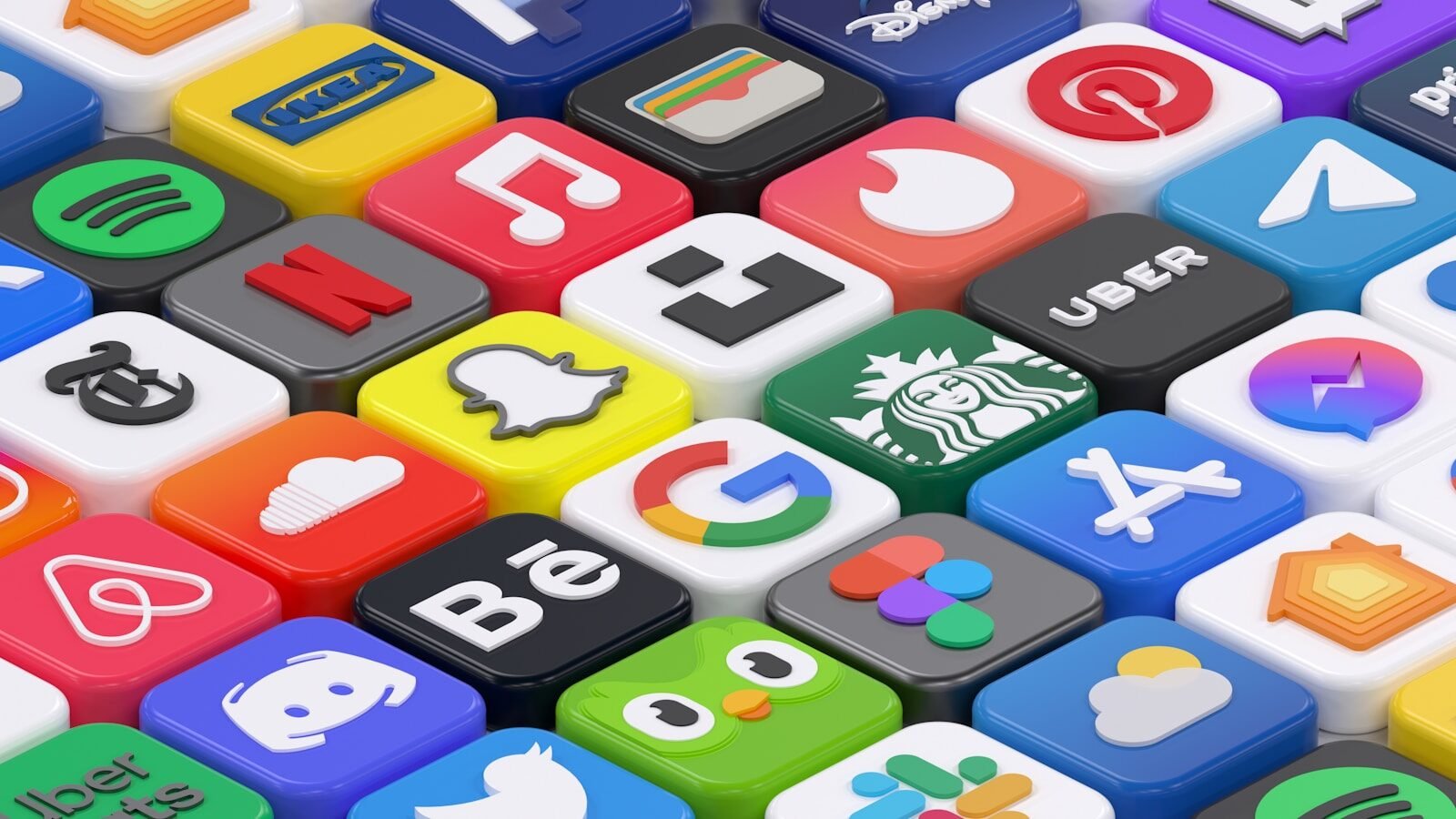
Mobile apps have become one of the most important technologies of the 21st century. They have transformed how people communicate, learn, work, shop, travel, and entertain themselves. With billions of smartphone users worldwide, the demand for innovative and high-performing apps continues to grow every year.
Technology is evolving rapidly, and mobile applications are becoming smarter, faster, and more interactive. Emerging technologies such as Artificial Intelligence (AI), 5G, Augmented Reality (AR), Virtual Reality (VR), and the Internet of Things (IoT) are changing the future of app development. Businesses and developers are investing heavily in creating advanced applications that provide better user experiences and solve real-world problems.
This article explores the future of mobile apps, the latest innovations, and the technologies that will shape the next generation of applications.
The Evolution of Mobile Apps
Mobile apps have come a long way since the first smartphones were introduced. Initially, apps were designed for basic tasks such as making calls, sending text messages, and checking emails.
Today, users can do almost everything through apps, including:
- Online shopping
- Digital banking
- Video conferencing
- Food delivery
- Online education
- Health monitoring
- Entertainment streaming
- Smart home management
This rapid evolution has made mobile apps an essential part of everyday life.
Artificial Intelligence Is Making Apps Smarter
Artificial Intelligence has become one of the biggest trends in mobile app development.
AI-powered apps can understand user behavior, automate tasks, and provide personalized experiences.
Common AI features include:
- Smart chatbots
- Voice assistants
- Personalized recommendations
- Image recognition
- Language translation
- Fraud detection
- Predictive search
As AI technology improves, apps will become more intelligent and capable of performing complex tasks with minimal user input.
The Impact of 5G Technology
The introduction of 5G networks is transforming mobile applications by providing much faster internet speeds and lower latency.
Benefits of 5G include:
- Faster downloads
- Smooth video streaming
- Improved online gaming
- Better video calls
- Real-time cloud services
- Faster app performance
Developers are already building apps that take full advantage of 5G technology.
Augmented Reality (AR)
Augmented Reality combines digital objects with the real world through smartphone cameras.
Popular uses include:
- Virtual furniture placement
- Interactive shopping
- Educational experiences
- Navigation
- Gaming
- Interior design
AR helps users visualize products before purchasing them and creates engaging interactive experiences.
Virtual Reality (VR)
Virtual Reality creates fully immersive digital environments.
VR applications are growing in:
- Education
- Healthcare
- Gaming
- Employee training
- Architecture
- Tourism
As VR hardware becomes more affordable, mobile apps will increasingly support immersive experiences.
Internet of Things (IoT)
The Internet of Things connects smart devices through the internet.
Mobile apps now control:
- Smart lights
- Security cameras
- Smart TVs
- Air conditioners
- Smart locks
- Fitness trackers
- Home appliances
IoT apps allow users to manage their devices remotely from anywhere in the world.
Cloud-Based Mobile Apps
Cloud computing has changed how apps store and process information.
Instead of saving everything on a phone, cloud apps store data securely online.
Advantages include:
- Automatic backups
- Easy file sharing
- Access from multiple devices
- Reduced storage usage
- Better collaboration
Cloud technology is expected to become even more important in future app development.
Cross-Platform Development
Businesses want apps that work on both Android and iOS without maintaining separate codebases.
Cross-platform development allows developers to build one application that runs on multiple operating systems.
Benefits include:
- Faster development
- Lower costs
- Easier maintenance
- Consistent user experience
This approach is becoming increasingly popular among startups and large companies alike.
Mobile App Security Will Continue to Improve
As cyber threats become more advanced, app security is receiving greater attention.
Future security improvements include:
- AI-powered threat detection
- Advanced encryption
- Biometric authentication
- Multi-factor authentication
- Secure cloud storage
- Privacy-focused features
These technologies will help protect users from hackers and data breaches.
Personalized User Experiences
Future mobile apps will become even more personalized.
Using AI and data analysis, apps will recommend:
- Products
- Movies
- Music
- News articles
- Learning materials
- Fitness plans
- Shopping deals
This level of personalization improves customer satisfaction and engagement.
Mobile Payments Continue to Grow
Digital payment apps are replacing traditional cash transactions.
Modern payment apps support:
- Contactless payments
- QR code payments
- Online banking
- International transfers
- Bill payments
- Digital wallets
As security improves, mobile payments will become even more popular worldwide.
Wearable Device Integration
Smartwatches and fitness bands are becoming increasingly common.
Mobile apps now connect with wearable devices to monitor:
- Heart rate
- Sleep quality
- Daily activity
- Exercise progress
- Blood oxygen levels
- Stress management
Health-focused apps will continue expanding as wearable technology evolves.
Challenges Facing Future Mobile Apps
Despite rapid innovation, developers still face several challenges.
Privacy Protection
Users expect companies to handle their personal information responsibly and transparently.
Device Compatibility
Apps must perform well across different smartphones, tablets, and operating systems.
Increasing Competition
Millions of apps are available, making it difficult for new apps to gain visibility.
Rising User Expectations
Modern users demand fast performance, attractive design, regular updates, and excellent customer support.
Developers must continuously innovate to remain competitive.
Tips for Businesses Developing Apps
Businesses planning to launch mobile apps should focus on:
- User-friendly design
- Strong security
- Fast performance
- Regular updates
- Excellent customer support
- AI integration
- Cloud compatibility
- Cross-platform functionality
Investing in these areas increases the chances of long-term success.
Conclusion
The future of mobile apps is brighter than ever. Technologies such as Artificial Intelligence, 5G, Augmented Reality, Virtual Reality, cloud computing, and the Internet of Things are transforming how applications are developed and used. These innovations will create smarter, faster, and more personalized experiences for users around the world.
For businesses, mobile apps offer powerful opportunities to connect with customers and improve services. For users, they provide convenience, entertainment, education, and productivity in everyday life. As technology continues to evolve, mobile apps will remain at the center of the digital revolution, shaping the way people interact with the world for many years to come.