
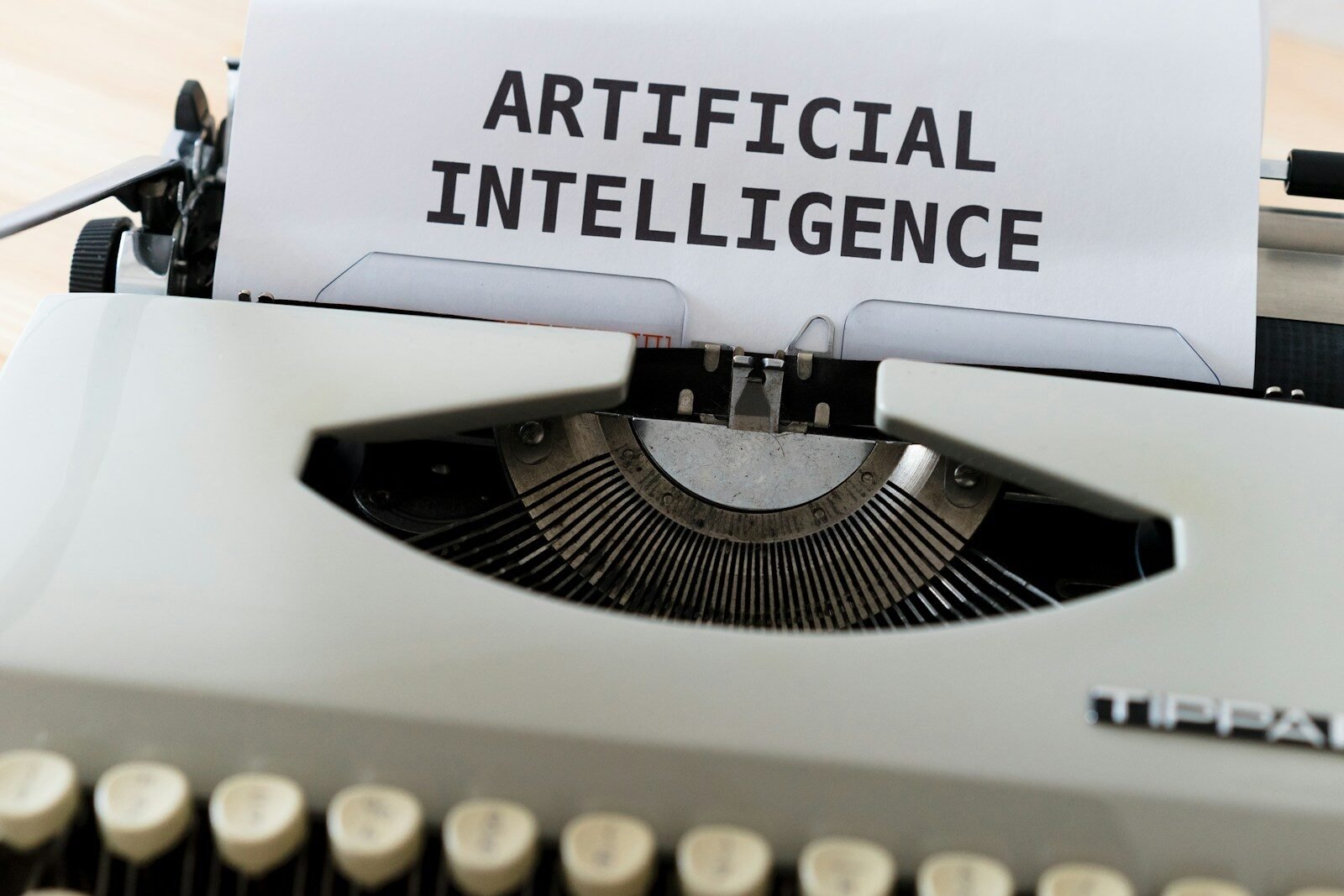
Artificial Intelligence (AI) has become one of the most important technologies of the modern digital age. From smartphones and search engines to business automation and smart assistants, AI is changing the way people work, communicate, learn, and solve problems. What once seemed like science fiction is now becoming part of everyday life.
For a technology-focused website like Techhaani, understanding Artificial Intelligence is essential because AI is developing rapidly and creating new opportunities for individuals, businesses, developers, and content creators.
What Is Artificial Intelligence?
Artificial Intelligence is a technology that enables computers and machines to perform tasks that normally require human intelligence. These tasks can include understanding language, recognizing images, analyzing information, making predictions, solving problems, and generating content.
AI systems learn from large amounts of data and use algorithms to identify patterns. Depending on how they are designed, AI tools can answer questions, translate languages, recommend products, recognize faces, generate images, write text, and even assist with complex business decisions.
The goal of AI is not always to replace humans. In many situations, AI is designed to help people complete tasks faster, reduce repetitive work, and make better use of information.
How Does AI Work?
Artificial Intelligence works through a combination of data, algorithms, computing power, and machine-learning techniques. A basic AI system receives information, processes it, identifies patterns, and produces an output.
Machine learning is one of the most important areas of AI. Instead of programming every possible instruction manually, developers can train systems using data. The system analyzes examples and gradually improves its ability to recognize patterns or make predictions.
Another important development is generative AI. Generative AI can create new content such as articles, images, audio, videos, computer code, and other digital materials based on user instructions.
This technology has made AI accessible to ordinary users, allowing people with limited technical knowledge to use powerful tools for everyday tasks.
AI in Everyday Life
Many people use AI without even realizing it. Smartphone assistants, navigation applications, recommendation systems, spam filters, facial recognition, and online search tools can all use AI technologies.
Streaming platforms use AI to recommend movies and shows based on viewing behavior. Online stores analyze customer activity to suggest products. Email services can identify spam and organize messages automatically.
AI is also becoming common in education. Students can use AI-powered tools to explain difficult concepts, generate practice questions, summarize information, and improve their writing. However, users should verify AI-generated information and use these tools responsibly.
AI in Business
Artificial Intelligence is transforming businesses of all sizes. Companies can use AI to automate repetitive tasks, analyze customer data, improve marketing campaigns, detect unusual activity, and provide customer support.
AI-powered chatbots can answer common customer questions at any time. This can help businesses reduce response times and allow human employees to focus on more complicated issues.
Marketing is another major area where AI is useful. Businesses can analyze customer behavior, identify trends, create content ideas, personalize campaigns, and improve advertising strategies.
Small businesses can also benefit from AI because many affordable and easy-to-use tools are now available online.
AI and Content Creation
The rise of generative AI has significantly changed digital content creation. Writers, bloggers, designers, marketers, and video creators can use AI tools to brainstorm ideas, create outlines, edit content, generate visuals, and speed up repetitive tasks.
However, AI-generated content should not simply be published without review. Human creativity, fact-checking, editing, originality, and experience remain important.
For bloggers and website owners, the best approach is to use AI as an assistant rather than depending on it completely. Original experiences, useful insights, accurate information, and a clear writing style can make content more valuable to readers.
Benefits of Artificial Intelligence
AI offers many potential advantages. One major benefit is automation. Machines can handle repetitive tasks quickly and consistently, allowing people to spend more time on creative and strategic work.
AI can also analyze huge amounts of information much faster than humans. This can help organizations identify patterns and make data-driven decisions.
Other benefits include:
- Faster completion of repetitive tasks
- Improved productivity
- Personalized recommendations
- Better data analysis
- 24/7 automated customer support
- Assistance with research and learning
- Improved accessibility through speech and language technologies
- New opportunities for businesses and entrepreneurs
Challenges and Risks of AI
Despite its advantages, AI also creates challenges. One concern is that AI systems can produce inaccurate or misleading information. Users should therefore verify important facts before relying on AI-generated answers.
Privacy is another important issue. AI systems may process large amounts of information, so organizations must handle personal data responsibly and follow applicable privacy and security requirements.
Employment is also a major topic in discussions about AI. Some repetitive tasks may become automated, while new types of jobs and skills may emerge. This makes continuous learning increasingly important.
There are also concerns about deepfakes, misinformation, biased algorithms, and the misuse of AI technology. Responsible development and human oversight are essential for reducing these risks.
The Future of Artificial Intelligence
The future of AI is likely to involve even greater integration into everyday software, businesses, education, healthcare, entertainment, and other industries.
AI assistants may become more capable of understanding context and helping users complete multi-step tasks. Businesses may use AI more extensively for automation and decision-making. Developers will continue creating new applications that combine AI with robotics, cloud computing, cybersecurity, and other technologies.
At the same time, governments, companies, and technology professionals will need to focus on responsible AI development. Transparency, privacy, security, fairness, and human oversight will become increasingly important as AI systems become more powerful.
How to Start Learning About AI
Anyone can begin learning about Artificial Intelligence. You do not necessarily need advanced programming skills to understand the basics.
Start by learning fundamental concepts such as machine learning, generative AI, natural language processing, computer vision, and automation. Experiment with reputable AI tools and pay attention to how they produce results.
If you are interested in technology and programming, learning Python, data analysis, and basic machine-learning concepts can provide a strong foundation.
Most importantly, keep learning. AI is evolving quickly, and new tools and applications appear regularly.
Conclusion
Artificial Intelligence is changing the digital world and creating new possibilities across many industries. From everyday applications and business automation to content creation and education, AI is becoming an increasingly important part of modern technology.
The key to using AI successfully is understanding both its capabilities and its limitations. AI can save time, improve productivity, and support creativity, but human judgment, verification, and responsible use remain essential.
As AI continues to evolve, learning about this technology can help individuals and businesses prepare for the future. For technology enthusiasts and digital professionals, AI is not simply a trend—it is becoming a fundamental part of the modern digital landscape.