
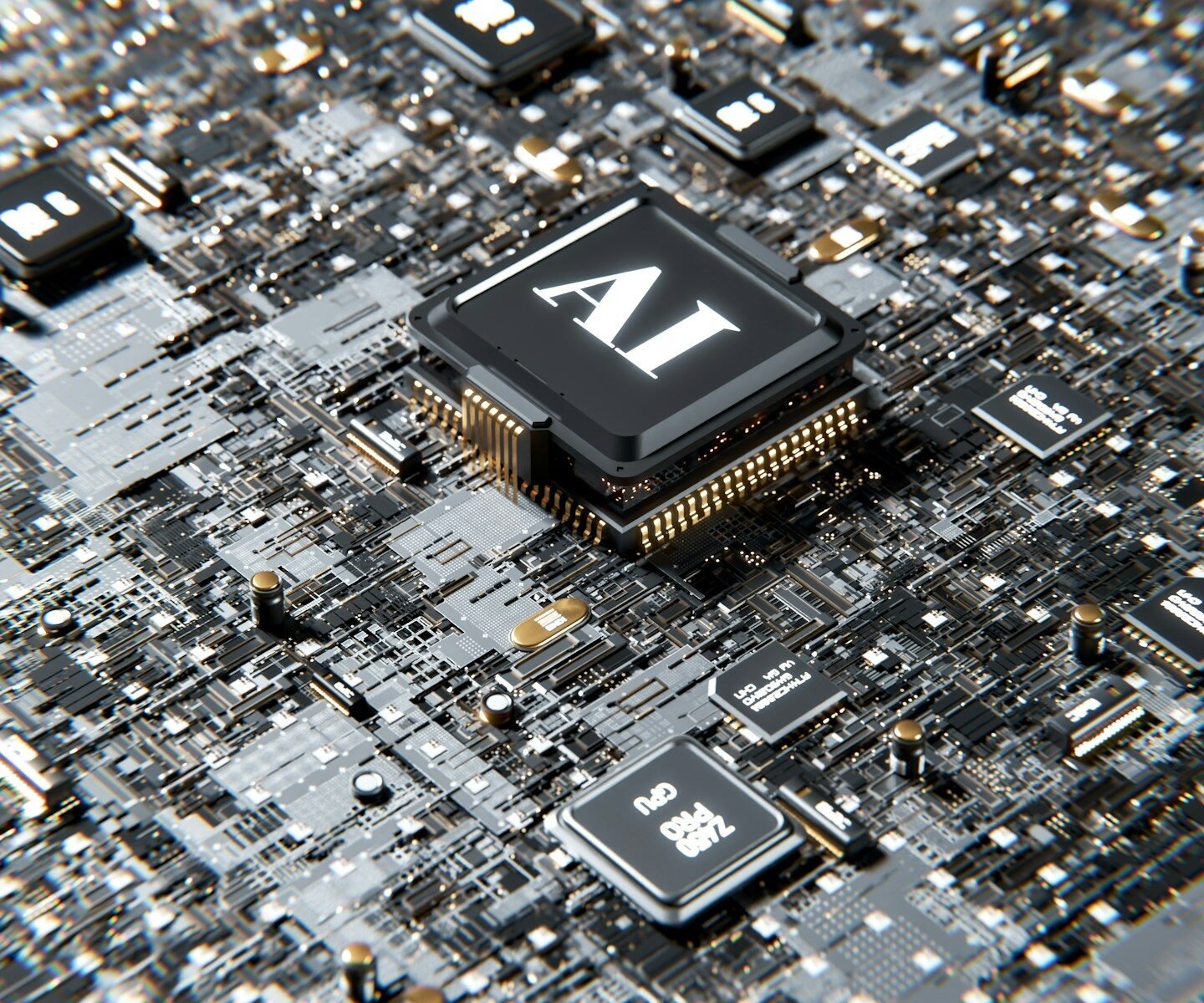
Artificial Intelligence (AI) is one of the most revolutionary technologies of the 21st century. It is changing the way people work, communicate, learn, and solve problems. From smartphones and virtual assistants to healthcare systems and self-driving cars, AI has become an essential part of modern life. Businesses, governments, and educational institutions are investing heavily in AI because of its ability to improve efficiency, reduce costs, and create innovative solutions.
As technology continues to evolve, Artificial Intelligence is expected to play an even greater role in shaping the future. Understanding how AI works and its impact on society is important for anyone interested in technology.
What Is Artificial Intelligence?
Artificial Intelligence refers to computer systems that can perform tasks that normally require human intelligence. These tasks include learning from experience, recognizing speech, understanding language, solving problems, analyzing data, and making decisions.
Unlike traditional software, AI systems can improve their performance over time by learning from large amounts of data. This ability allows AI to become more accurate and efficient as it processes more information.
Today, AI powers many everyday applications, including voice assistants, recommendation systems, facial recognition, language translation, and smart search engines.
How Artificial Intelligence Works
AI works by combining algorithms, data, and computing power. Developers train AI models using massive datasets that help the system recognize patterns and make predictions.
Machine Learning, a branch of AI, allows computers to learn without being explicitly programmed for every task. Deep Learning, another advanced technique, uses artificial neural networks inspired by the human brain to process complex information.
These technologies enable AI systems to recognize images, understand speech, answer questions, and even generate creative content.
Applications of AI in Everyday Life
Artificial Intelligence has become a part of daily life in many ways.
Smartphones use AI to improve camera quality, predict text while typing, translate languages, and optimize battery performance.
Streaming platforms recommend movies and TV shows based on viewing history. Online shopping websites suggest products according to customer preferences.
Navigation apps analyze live traffic conditions and recommend the fastest routes. Email services automatically filter spam messages using AI algorithms.
Many people interact with AI every day without even realizing it.
AI in Healthcare
Healthcare is one of the industries benefiting most from Artificial Intelligence.
Doctors use AI to detect diseases earlier, analyze medical images, and assist with accurate diagnoses. Hospitals use AI systems to manage patient records, schedule appointments, and improve operational efficiency.
Wearable health devices powered by AI monitor heart rate, sleep quality, blood oxygen levels, and physical activity. These devices help users maintain healthier lifestyles.
AI also supports medical research by analyzing huge amounts of data, helping scientists develop new medicines and treatment methods more quickly.
AI in Education
Artificial Intelligence is transforming education by making learning more personalized and interactive.
AI-powered educational platforms analyze student performance and recommend lessons based on individual learning needs. Virtual tutors provide instant assistance, while automated grading systems save teachers valuable time.
Online learning platforms use AI to improve course recommendations and create engaging learning experiences.
Students benefit from personalized education that adapts to their strengths and weaknesses.
AI in Business
Businesses around the world use Artificial Intelligence to improve productivity and customer satisfaction.
AI-powered chatbots provide customer support around the clock. Marketing teams use AI to analyze customer behavior and create targeted advertising campaigns.
Financial institutions rely on AI to detect fraud and manage risks. Manufacturing companies use AI-powered robots to improve production efficiency and reduce errors.
Business leaders also use AI analytics to make smarter decisions based on real-time data.
AI in Transportation
Transportation is becoming smarter because of Artificial Intelligence.
Navigation systems use AI to analyze traffic conditions and reduce travel time. Airlines use AI to optimize flight schedules and improve customer service.
Self-driving vehicles rely on AI to recognize roads, traffic signs, pedestrians, and nearby vehicles. Although fully autonomous transportation is still developing, AI continues to improve road safety and efficiency.
Benefits of Artificial Intelligence
Artificial Intelligence offers numerous advantages across different industries.
It automates repetitive tasks, allowing people to focus on creative and strategic work. AI improves accuracy, reduces human error, and processes information much faster than traditional systems.
Businesses save money through automation, while customers receive faster and more personalized services.
AI also supports scientific research, environmental protection, agriculture, cybersecurity, and disaster prediction.
Its ability to analyze massive datasets makes it one of the most powerful technologies available today.
Challenges of Artificial Intelligence
Despite its many benefits, AI also presents several challenges.
Privacy concerns arise because AI systems often collect and analyze personal information. Organizations must protect user data and ensure responsible data handling.
Automation may replace certain jobs, requiring workers to develop new digital skills.
Bias in AI systems can occur if training data contains unfair or inaccurate information. Developers must carefully design AI systems to produce fair and reliable results.
Ethical concerns surrounding AI decision-making continue to be an important topic worldwide.
The Future of Artificial Intelligence
The future of AI looks incredibly promising.
Experts believe AI will become even more intelligent and capable of solving complex global challenges. Future AI systems may help develop advanced medical treatments, improve climate research, optimize energy consumption, and enhance space exploration.
Businesses will continue integrating AI into customer service, manufacturing, logistics, finance, and education.
Generative AI tools will become more advanced, helping users create high-quality text, images, videos, music, and software applications.
As AI technology evolves, continuous learning will become increasingly important for professionals across every industry.
Tips for Learning Artificial Intelligence
Anyone interested in AI can begin by learning basic programming languages such as Python. Understanding mathematics, statistics, and data analysis also provides a strong foundation.
Online courses, tutorials, books, and practical projects help beginners build AI skills. Experimenting with machine learning libraries and AI development tools allows learners to gain valuable hands-on experience.
The field of AI changes rapidly, so staying updated with new research and technologies is essential.
Conclusion
Artificial Intelligence is transforming the world at an extraordinary pace. From healthcare and education to business, transportation, and entertainment, AI is improving efficiency and creating new opportunities across every sector.
Although AI introduces challenges related to privacy, ethics, and employment, its benefits are far greater when developed responsibly. Individuals and organizations that embrace AI while continuing to learn new skills will be better prepared for the future.
Artificial Intelligence is not just shaping tomorrow—it is already changing the world today. As innovation continues, AI will remain one of the most powerful technologies driving progress, improving lives, and creating a smarter digital future.