
Introduction
Wearable gadgets have become one of the fastest-growing segments of the technology industry. These smart devices are designed to be worn on the body, allowing users to stay connected, monitor their health, and access important information without constantly using a smartphone. From smartwatches and fitness bands to smart glasses and health trackers, wearable technology is transforming the way people interact with the digital world.
As innovations in Artificial Intelligence (AI), sensors, and wireless communication continue to evolve, wearable gadgets are becoming more advanced, accurate, and useful. Today, they are used not only for fitness but also for healthcare, education, business, and entertainment.
This article explores wearable gadgets, their types, benefits, challenges, and the exciting future of wearable technology.
What Are Wearable Gadgets?
Wearable gadgets are electronic devices that can be worn on the body as accessories or clothing. They are equipped with sensors, wireless connectivity, and software that collect and analyze data in real time.
Most wearable gadgets connect to smartphones through Bluetooth or Wi-Fi, allowing users to receive notifications, monitor health, and control various applications directly from the device.
Why Wearable Technology Is Growing
The demand for wearable gadgets has increased because they offer convenience and real-time access to information.
Some major reasons for their popularity include:
- Health monitoring
- Fitness tracking
- Easy communication
- Hands-free operation
- Smart notifications
- Improved productivity
- Stylish designs
- Advanced safety features
As technology becomes more affordable, wearable devices are becoming accessible to millions of users worldwide.
Popular Types of Wearable Gadgets
Smartwatches
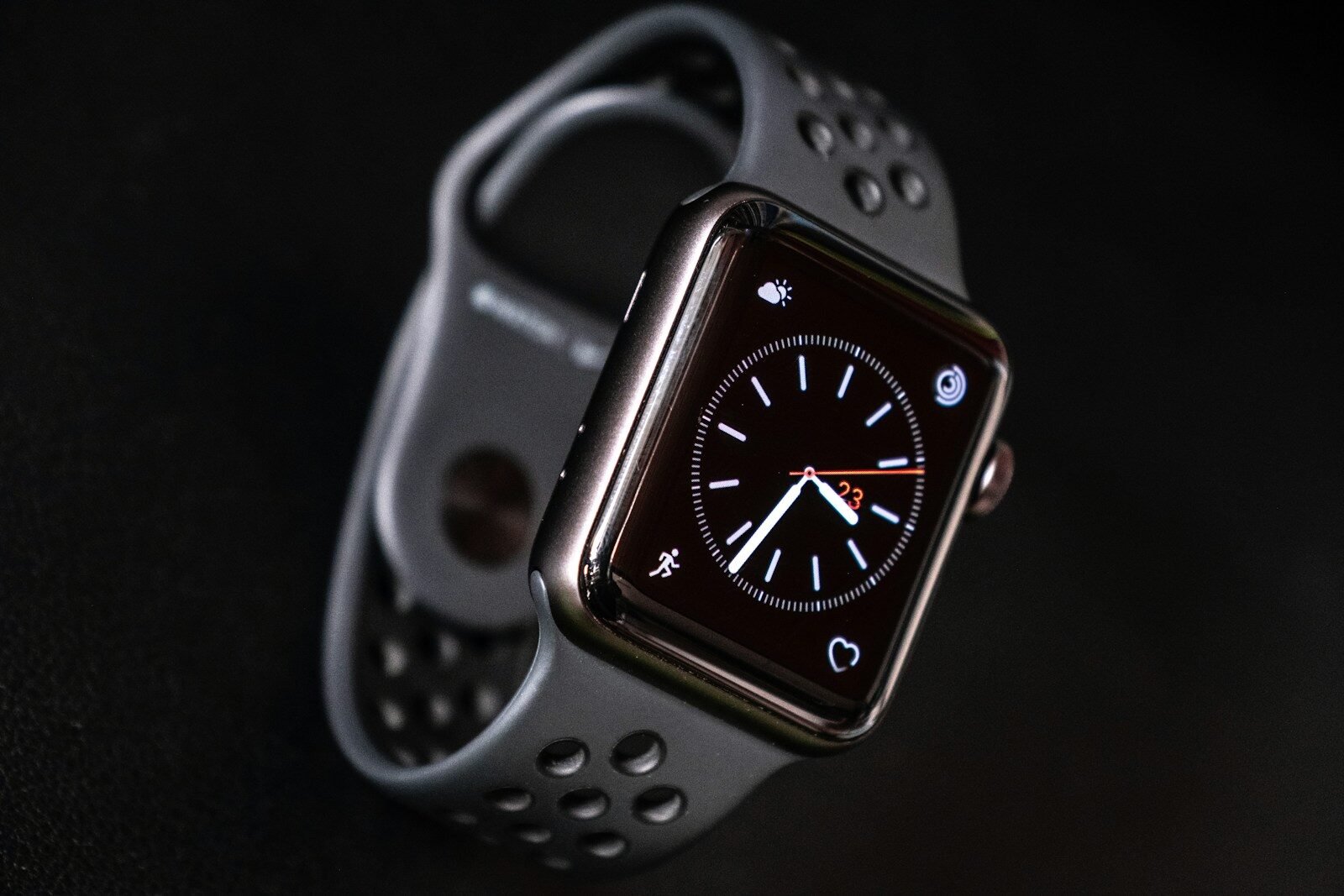
Smartwatches are among the most popular wearable devices. They provide many smartphone functions directly on the wrist.
Common features include:
- Call notifications
- Text messaging
- GPS navigation
- Music control
- Calendar reminders
- Contactless payments
- Weather updates
Modern smartwatches also include advanced health-monitoring sensors.
Fitness Trackers
Fitness bands are designed to help users maintain a healthy lifestyle.
They can track:
- Daily steps
- Calories burned
- Exercise sessions
- Heart rate
- Sleep quality
- Distance traveled
These gadgets motivate users to stay active and achieve their fitness goals.
Smart Glasses
Smart glasses display digital information directly in front of the user’s eyes.
Possible applications include:
- Navigation
- Video recording
- Augmented Reality (AR)
- Remote assistance
- Virtual meetings
Although still developing, smart glasses have enormous future potential.
Smart Rings
Smart rings are compact wearable devices that monitor health while offering stylish designs.
Many models can measure:
- Heart rate
- Sleep patterns
- Physical activity
- Stress levels
- Body temperature
Their lightweight design makes them comfortable for continuous use.
Health Benefits of Wearable Gadgets
Healthcare is one of the biggest areas benefiting from wearable technology.
Modern wearable devices can:
- Monitor heart rate
- Measure blood oxygen levels
- Track sleep quality
- Detect irregular heart rhythms
- Count daily activity
- Remind users to exercise
- Monitor stress levels
These features encourage healthier lifestyles and allow users to monitor their well-being more effectively.
Wearable Gadgets in Healthcare
Hospitals and healthcare providers increasingly use wearable technology for patient monitoring.
Doctors can remotely monitor:
- Blood pressure
- Heart activity
- Recovery progress
- Physical movement
- Medication schedules
Remote monitoring reduces unnecessary hospital visits while improving patient care.
Artificial Intelligence in Wearables
Artificial Intelligence has significantly improved wearable gadgets.
AI-powered devices can:
- Analyze health trends
- Predict health risks
- Recommend exercise plans
- Detect unusual heart activity
- Improve sleep recommendations
- Personalize fitness goals
The combination of AI and wearable sensors creates more accurate and personalized experiences.
Wearables for Business
Businesses are also adopting wearable technology.
Companies use wearable devices to:
- Improve employee safety
- Track work efficiency
- Enable hands-free communication
- Support remote collaboration
- Monitor workplace conditions
Wearables are becoming valuable tools in manufacturing, healthcare, logistics, and construction industries.
Entertainment and Smart Wearables
Wearable gadgets are also enhancing entertainment experiences.
Users can:
- Listen to music
- Control smart devices
- Play interactive games
- Experience virtual reality
- Watch videos through smart glasses
These innovations create new ways to enjoy digital content.
Advantages of Wearable Gadgets
Wearable devices provide many important benefits.
Convenience
Users receive important information without removing their smartphones from their pockets.
Health Awareness
Continuous monitoring encourages healthier habits and early detection of potential health issues.
Improved Productivity
Notifications, reminders, and quick communication help users stay organized throughout the day.
Better Fitness
Activity tracking motivates users to exercise regularly and achieve fitness goals.
Enhanced Safety
Some wearables include emergency alerts and fall detection features that can improve personal safety.
Challenges of Wearable Technology
Despite their advantages, wearable gadgets also have some limitations.
Battery Life
Small devices often require frequent charging due to limited battery capacity.
Privacy Concerns
Wearables collect personal health information that must be protected against cyber threats.
High Prices
Premium wearable devices can be expensive, limiting accessibility for some consumers.
Accuracy
Although improving, some sensors may not always provide perfectly accurate measurements.
Future Trends in Wearable Gadgets
The future of wearable technology looks promising.
Upcoming innovations include:
Flexible Wearables
Smart clothing and flexible electronic materials will create more comfortable wearable devices.
Advanced Health Monitoring
Future wearables may monitor blood sugar, hydration levels, and additional medical conditions without invasive procedures.
Better Artificial Intelligence
AI will provide more personalized health insights and predictive recommendations.
Longer Battery Life
Improved battery technology will allow wearables to operate for longer periods between charges.
Augmented Reality Integration
Smart glasses with AR capabilities will become more practical for work, education, and everyday activities.
Tips for Choosing the Right Wearable Gadget
Before purchasing a wearable device, consider the following:
- Identify your primary needs.
- Compare battery life.
- Check compatibility with your smartphone.
- Review health-tracking features.
- Read customer reviews.
- Compare prices.
- Choose trusted brands with regular software updates.
- Consider comfort for long-term use.
Selecting the right device ensures better performance and greater value.
Conclusion
Wearable gadgets are transforming the way people monitor their health, stay connected, and manage daily activities. From smartwatches and fitness trackers to smart glasses and intelligent rings, wearable technology continues to evolve with powerful new features and improved accuracy.
As Artificial Intelligence, sensor technology, and wireless connectivity continue advancing, wearable devices will become even smarter and more useful. Whether for fitness, healthcare, business, or entertainment, wearable gadgets are shaping the future of personal technology and helping people live healthier, more connected, and more productive lives.