
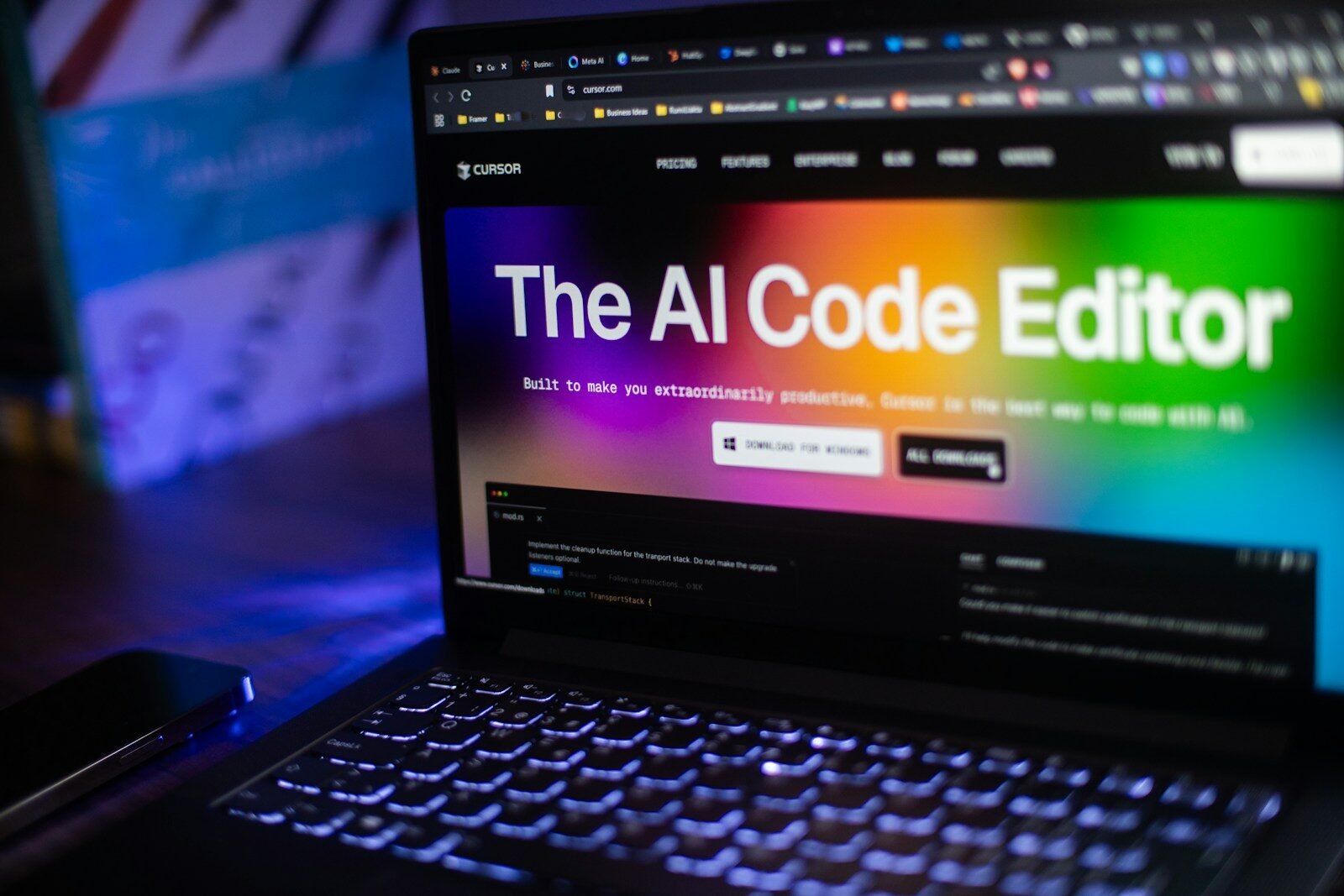
Artificial Intelligence has quickly become one of the most important technologies in the digital world. Today, AI is no longer limited to large technology companies or professional developers. Anyone with a smartphone can access AI-powered applications for writing, learning, productivity, creativity, business, communication, and entertainment.
For technology enthusiasts, AI apps provide an easy way to experience the power of artificial intelligence. From AI chat assistants to photo editors and productivity tools, these applications can help users save time and complete everyday tasks more efficiently.
What Are AI Apps?
AI apps are mobile or web applications that use artificial intelligence technologies to perform specific tasks. These applications can understand text, recognize images, generate content, analyze information, translate languages, create designs, and provide personalized assistance.
Some AI apps are designed for general use, while others focus on specific areas such as education, writing, photography, business, or programming.
The growing availability of AI apps means that users do not need advanced technical knowledge to benefit from artificial intelligence.
AI Chat Assistant Apps
One of the most popular categories of AI applications is the AI chatbot. These apps can understand natural language and respond to questions or instructions.
Users can ask AI chat assistants to explain difficult topics, brainstorm ideas, summarize information, create outlines, improve writing, or help with everyday tasks.
Students can use them as learning assistants, while professionals can use them for research, planning, writing, and productivity. However, important information should always be verified because AI systems can sometimes provide incorrect answers.
AI Writing Apps
AI writing applications are useful for bloggers, students, marketers, and business professionals. These tools can help users generate ideas, create outlines, improve grammar, rewrite sentences, and organize information.
For website owners, AI writing apps can make the content creation process faster. A user can provide a topic and ask an AI tool to suggest headlines, subtopics, introductions, or article structures.
The best results usually come from combining AI assistance with human editing. Original ideas, accurate information, and a natural writing style are still important for creating high-quality content.
AI Image Generator Apps
AI image applications have changed the way people create digital graphics. Instead of manually designing every element, users can describe an image and let an AI system generate a visual based on the description.
These apps can be useful for social media posts, blog illustrations, presentations, marketing materials, and creative projects.
AI image generators can also help beginners experiment with different visual styles without needing advanced graphic-design skills.
AI Photo Editing Apps
AI-powered photo editors can automatically improve images and perform tasks that previously required significant editing experience.
Depending on the application, users may be able to remove unwanted objects, improve image quality, adjust lighting, change backgrounds, enhance portraits, or apply creative effects.
These tools are particularly useful for social media creators, photographers, online sellers, and bloggers who need attractive images quickly.
AI Video Apps
AI is also transforming video creation. AI video applications can assist with editing, subtitles, voiceovers, background removal, script generation, and other production tasks.
Some tools can turn written instructions into short videos or help creators automatically organize video content.
For social media creators, these features can reduce the time required to produce videos and make professional-looking content more accessible.
AI Learning Apps
Students and lifelong learners can benefit greatly from AI-powered education applications. These tools can explain concepts, generate practice questions, provide summaries, and help users study different subjects.
For example, a student who does not understand a mathematical concept can ask an AI application for a simple explanation and examples.
AI learning tools can provide personalized assistance, but they should support learning rather than replace independent thinking and study.
AI Productivity Apps
Productivity is another major area where AI apps are becoming popular. AI-powered productivity tools can help users organize information, summarize meetings, create task lists, draft emails, and manage notes.
These features can be especially useful for professionals who deal with large amounts of information every day.
By automating small repetitive tasks, AI productivity applications can help users focus on more important responsibilities.
AI Apps for Business
Businesses can use AI applications for customer support, marketing, research, data analysis, content creation, and workflow automation.
Small businesses can benefit because many AI tools provide features that previously required specialized employees or expensive software.
For example, an AI application can help a business create marketing ideas, draft customer responses, analyze basic data, or generate social media content.
However, businesses should carefully review AI-generated information before using it with customers.
Benefits of Using AI Apps
AI applications offer several advantages for everyday users. The most obvious benefit is convenience. Many tasks can be completed faster with AI assistance.
Other benefits include:
- Saving time on repetitive work
- Improving productivity
- Generating creative ideas
- Helping with research and learning
- Creating images and videos
- Improving written communication
- Automating simple tasks
- Providing personalized assistance
- Supporting small businesses and creators
These benefits make AI apps useful for people with different backgrounds and skill levels.
Things to Consider Before Using AI Apps
Although AI apps can be powerful, users should choose them carefully. Before uploading personal or sensitive information, check the application’s privacy policies and understand how data may be handled.
Users should also be cautious about inaccurate information. AI-generated answers can sound convincing even when they are wrong.
Another important factor is cost. Some AI applications offer free features but charge for advanced tools or higher usage limits. Comparing features before subscribing can help users choose an application that fits their needs.
The Future of AI Apps
AI applications are likely to become even more powerful in the coming years. Future apps may offer more personalized assistance and better integration with smartphones, computers, smart devices, and business software.
AI may increasingly help users complete complex tasks by combining multiple capabilities such as text generation, image recognition, voice interaction, and automation in one application.
As these technologies develop, users will have more opportunities to use AI for education, business, creativity, communication, and everyday productivity.
Conclusion
AI apps are making artificial intelligence accessible to millions of people. Whether you want to write content, edit photos, create videos, learn new skills, organize your work, or explore creative ideas, there is likely an AI-powered application designed to help.
The most effective way to use AI apps is to treat them as helpful tools rather than complete replacements for human knowledge and judgment. By choosing reliable applications, protecting personal information, and checking important results, users can take advantage of AI while using it responsibly.
As artificial intelligence continues to develop, AI apps will play an increasingly important role in how people work, learn, create, and communicate in the digital age.